

Recovery Begins with Direction
When you (or your loved one) arrive at CooperRiis, we of course gather a clear clinical understanding of diagnosis, health or safety concerns, and history. Our clinical teams provide world class psychiatric and psychological care across a variety of programs.
What we don’t do, however, is frame recovery around what’s “wrong” or set out to “fix” anything. Instead, we begin by asking, “What do you want your life to become?”
The answer to that question forms a foundation for your efforts, something we call a dream statement. This is the first step towards building or rebuilding a fulfilling life. Your dream statement gives your recovery a direction and a sense of personal ownership from day one.
What Is a Dream Statement?
A dream statement is your personal vision for your life. It answers questions like:
- What does wellness look like to me?
- Who do I want to become?
- What kind of life do I want to build?
Some residents arrive with clear goals, such as returning to school, building or restarting a career, repairing relationships, or living independently. Others may say, “I just want to feel stable and happy.” Wherever someone begins, we start there and build outward.
Why We Start with a Dream
Mental health care typically follows a sequence something like this: diagnosis, medication, and then ongoing maintenance. While diagnosis, medication, and management of unwanted traits or symptoms are core treatment components at CooperRiis, we deliver them with a focus on what lies beyond mere survival.
So, we begin with strengths, dreams, and goals to build a recovery that works towards something positive, and something you desire. When treatment focuses primarily on eliminating problems or suppressing symptoms, it can tie a person unnecessarily to their diagnosis and the stigma associated with it. When it centers what you desire and leverages your strengths, on the other hand, it’s a growth process that builds towards empowerment and actualization.
Our programs are 100% voluntary, and we have an excellent retention rate. Folks do challenging internal work here, but they’re invested, because the goals are their own.

What Happens on Day One
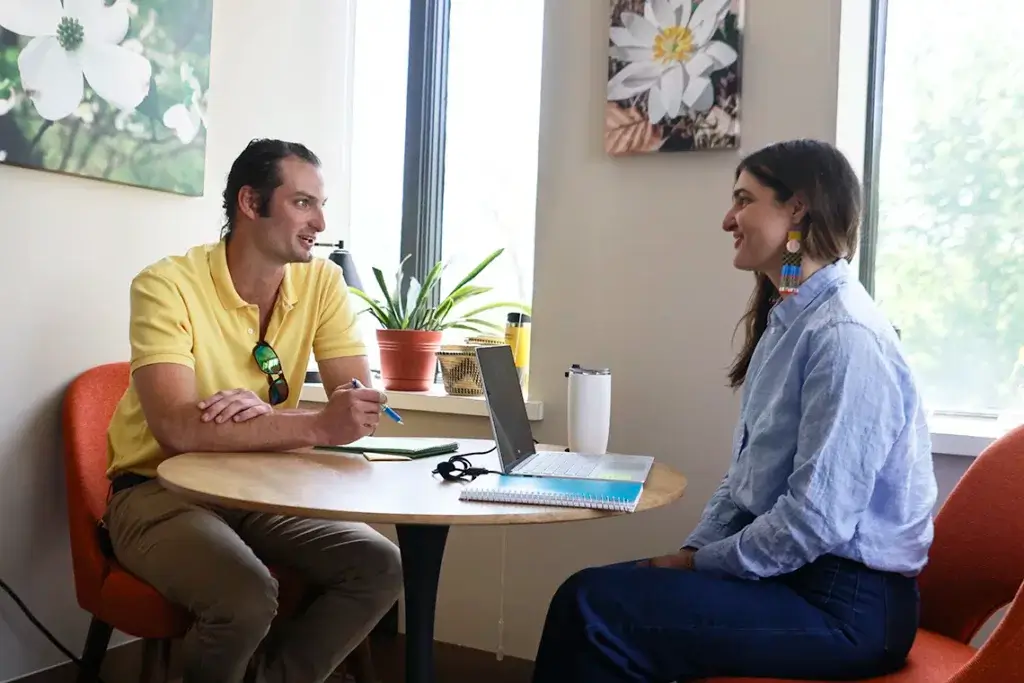
Within a few days of arrival, we’ll work with you as you develop your dream statement. Many people don’t immediately know what their dream is, especially if they’ve spent years focused on getting through each day. That’s okay; it’s part of the work. You’ll be supported through exploring your:
- Personal strengths
- Core values
- Interests and abilities
- Long-term hopes
Together, we’ll review your dream statement monthly and update it as needed to accommodate new understanding and healing. And your care team reads it at the start of any meeting that concerns your treatment plan. It’s the basis for how we support you and, we believe, the key to your chosen future.
From Vision to Daily Action
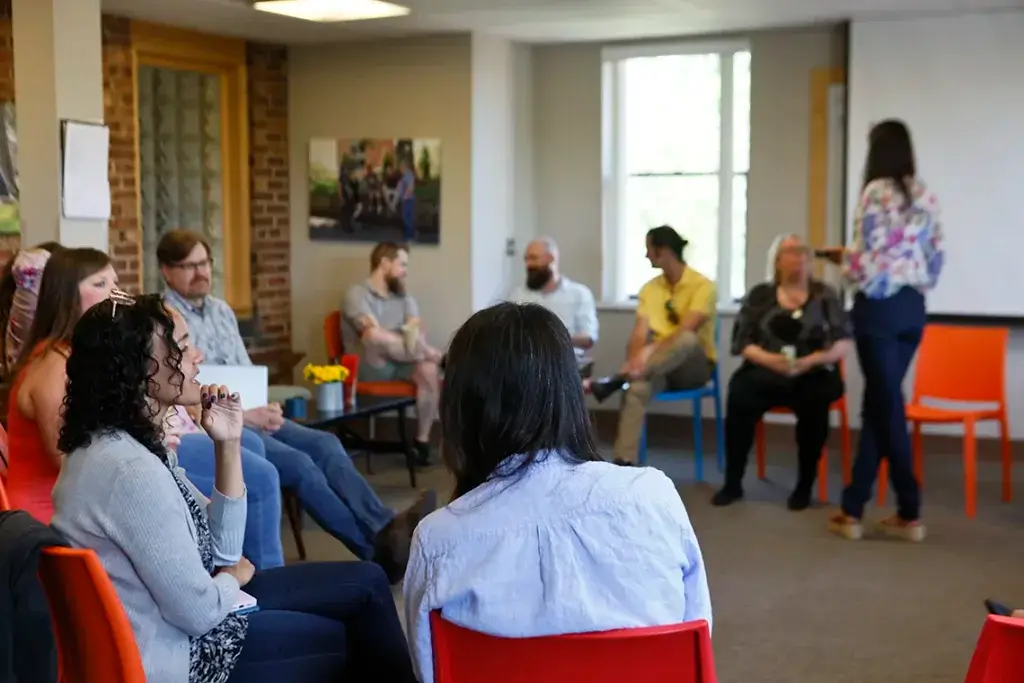
Sometimes goals are big and long-range; sometimes they are intentionally small and focused on building momentum. A person’s first goals may be as basic as making it to lunch on time or attending one group activity; we simply meet people where they are and build from there. Whatever those progress goals are, the entire team aligns around them. Crew leaders, therapists, medical providers, and peers all understand what each person is working towards, which allows for consistent, individualized support.
Engagement naturally ebbs and flows; some folks arrive ready to dive into the deep work, while others need time to rest and start feeling safe or hopeful. And there will be days of hopelessness, even in the “readiest” person’s journey. In any case, we hold a steady vision for you, and the structure to make it possible, even during times when you can’t.
Self-Trust, Risk, and Real Life
Building self-trust is a cornerstone of mental health recovery, which inherently calls on residents to try new things, take measured risks, and at times, experience setbacks. While a great deal of the healing and growth people do in CooperRiis’ programs happens in therapy and group, certain aspects only evolve through experience.
As you do your inner work, you’ll also have opportunities to build or rebuild that self-trust through community participation, accountability, and self-discovery. And this trust is what keeps people making progress towards their goals and setting new ones after they go back to the “real world.”

Self-Acceptance to Self-Actualization
Every person’s journey is different, but the trajectory of mental health recovery generally moves through several phases: self-acceptance, self-integration, and, over time, self-actualization. The dream statement anchors this process and offers a reference point when things feel difficult or uncertain. It can be a compass that directs decision-making according to who you want to be and what feels meaningful to you.
Tracking Progress
Starting with a dream statement has practical effects on treatment. It creates direction, motivation, partnership, and meaning. It prevents the kind of passive participation that can lead to burnout or frustration.
But beyond that, seeing your own language, goals, and hopes reflected in the work you’re actively doing lets you see your growth in a tangible way. Without progress tracking, mental health recovery can sometimes feel like a hill you’re always looking up at from the bottom. A dream statement gives you the perspective to look behind you and see how far you’ve already climbed. When you’re tempted to say, “I can’t do it,” you can see that you are in fact already doing it.

Who is CooperRiis?
CooperRiis is a nonprofit residential healing community. We have two campuses in North Carolina: Asheville and The Farm in Mill Spring. At both campuses, our programs support adults who are dealing with challenges related to a variety of mental health conditions. Our approach is founded in dignity, person-led care, and the belief that each person deserves a stable and fulfilling life. Our strengths-based approach helps hundreds of people transcend diagnosis and begin empowered lives every year.